Summary
This is the “gacha” system often seen in mobile phone games.
The contents of the gacha are registered separately for each grade, and only the grade has a probability.
Probably the most practical.
For example, I would like the grade and probability to be 3% legend, 17% rare, and 80% common.
And each grade can have multiple items and the same probability within the grade.
And so on.
Design Details
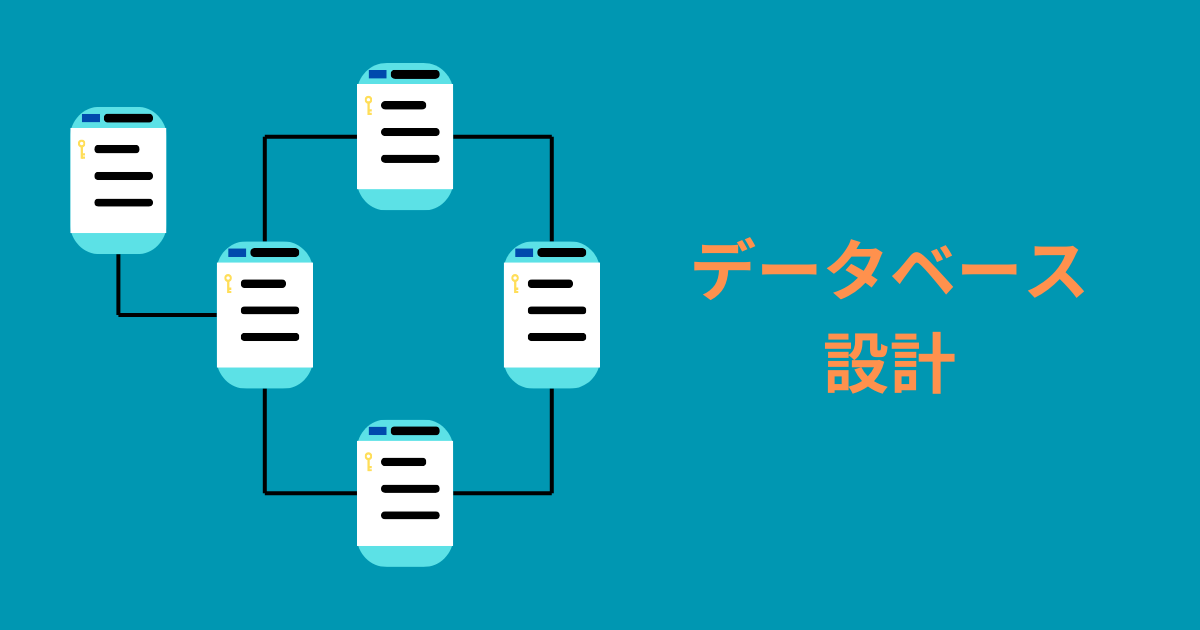
ER図
erDiagram
Gachas ||–o{ GachaGrades: “has many”
GachaGrades ||–o{ GachaItems : “has many”
Gachas {
int id PK
string name
}
GachaGrades {
int id PK
int gacha_id FK
string name
int rate
}
GachaItems {
int id PK
int gacha_grade_id FK
string item_name
}
Usage
Let me describe an example of acquisition in PHP Laravel.
Grade Determination
First, determine the grade of the gacha.
Obtain a grade ID.
public function getGrade($gachaId)
{
    $grades = GachaGrade::where('gacha_id', $gachaId)->get(); // from GachaGrades

    // 確率の合計値を求める
    $max = 0;
    foreach ($grades as $record) {
        $max += $record['rate'];
    }
    // If $grades is an array, the following is also acceptable.
    // $max = array_sum(array_column('rate'));

    // Get random numbers up to the total value minus 1, starting from 0.
    $rate = mt_rand(0, $max-1);

    // Find out where the random numbers hit.
    foreach ($data as $record) {
        $max -= $record['rate'];
        if ($max <= $rate) {
            return $record['id'];
        }
    }
    throw new Exception('Should not be here!');
}Obtain items of specified grade
Next, the item is randomly obtained from the determined gacha grade items.
public function getItem($gradeId)
{
    // Get all items of the specified grade
    return GachaItem::where('gacha_grade_id', $gradeId)
      ->inRandomOrder() // ORDER BY RANDOM()
      ->first(); // LIMIT 1
}There are various methods of random acquisition, so try to implement them while considering where to place the load on the DB, web server, etc.